

Call Us Now
Call Us Now


Determining solar readiness starts with the roof—check its condition, orientation, and sun exposure. South-facing roofs that are less shaded and solid in construction are best.
Inspect local building regulations, utility regulations, and solar incentives to minimize surprise expenses and delays.
Assessment of energy requirements and possible savings enables informed decision-making. Big Texan Solar emphasizes these measures to assist homeowners in planning for a solar-fueled future.
The solar-ready house can hold solar panel mounting without requiring expensive structural or electrical upgrades. It integrates the ideal physical configuration, such as the orientation of the roof and structural mounting, with adequate infrastructure, i.e., the electrical panels equipped to support the solar energy systems.
Being solar-ready goes beyond installation ease. It reflects a home’s energy efficiency, helping homeowners maximize the benefits of clean energy while cutting unnecessary expenses. Homes that meet these standards can smoothly transition to solar power when right.
Several essential characteristics make a home solar-ready. The most critical is roof orientation. A south-facing roof captures the most sunlight, but east- or west-facing roofs may still work with proper adjustments.
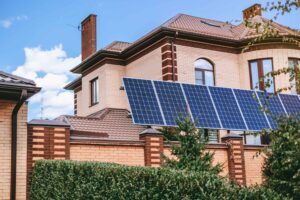
Other features include:
A solar-ready house sidesteps the expensive retrofits, so residents can put money into the panels themselves instead of into infrastructure upgrades. Most significantly, peak solar readiness equals higher energy production, lower bills to utilities, and quicker return on investment.
Other than savings, houses that employ renewable energy minimize fossil fuel reliance, leading to environmental sustainability. Homeowners save money and the environment when these factors are tackled early.
One of the most common myths is that solar panels can operate only in sunny locations. Panels continue to produce electricity from scattered sunlight, even under cloudy conditions. Another misconception is assuming any roof can support solar; factors like shading, roof material, and structural integrity all play roles.
Lastly, being solar-ready doesn’t demand immediate installation. It simply prepares the home for when the investment makes sense, avoiding rushed or costly changes later.
Is Your Home Solar-Ready? It all begins with the roof. Roof condition, orientation, and shading determine system efficiency and life.
South-facing roofs provide optimum exposure, but east or west can also do the trick, particularly in sunny climates such as Texas. The pitch should be 10 to 45 degrees, and mounting systems can be used to level angles if needed.
Metal and asphalt shingle roofs work best with solar, while clay tile or wood shake may need extra prep. Older roofs should be replaced first to avoid future removal costs.
Obstructions like trees or buildings can lower solar efficiency, especially at peak times. Solar suitability tools help spot shading issues to ensure steady sun exposure.
Solar panels add weight to a roof. Ensuring the structure is sound prevents safety risks and costly repairs. Professional evaluations can confirm whether reinforcement is necessary.
Local climate, rules, and rates affect solar performance and savings. Knowing these helps plan and optimize installations.
Climate affects solar output, with sunnier areas like Texas generating more energy. However, panels work in overcast conditions, and energy storage helps during extreme weather.
Local regulations can impact solar readiness, with permitting often requiring structural, zoning, and electrical checks. Historic areas may have restrictions on system types or installation locations. If you live in a deed-restricted community, get your homeowners association’s sign-off early — Texas law limits what HOAs can prohibit, and our guide on whether HOAs can restrict solar panels in Texas explains your rights and the approval process.
Stable and higher prices for electricity increase the economic/cost benefits of solar, especially where net metering regulations allow homeowners to have their excess energy credited. As opposed to that, outdated grid infrastructure may hinder the integration of systems, and in such a case, one should confirm with local utilities before installing solar. Your utility’s interconnection rules also determine how excess power is credited, so review how net metering works in Texas before finalizing your system design.
A solar-ready home still needs a right-sized system. Review your last 12 months of electricity bills to establish your baseline usage, then think ahead: a growing household, a home addition, a pool pump, or an electric vehicle can all raise consumption significantly after the panels go up. Setting clear goals — trimming the bill versus offsetting it entirely — shapes how many panels you need and whether battery storage makes sense. For a detailed walkthrough of usage calculations and system sizing, see how many solar panels a Texas home needs in 2026.
Solar installation is expensive, but it saves money in the long run. Incentives and loans can be utilized to minimize the initial cost.
 Residential solar systems cost $15,000 to $30,000 but offer lower utility bills over time. In Texas, an 11-kW system costs about $30,529 before tax credits, cutting energy costs by 10% or more over 25 years.
The 30% Federal Investment Tax Credit (ITC) is a major incentive, cutting initial costs. States such as California and New York provide rebates for solar and storage batteries. Local utilities can offer net metering programs or rebates, subject to location.
Financing options like loans, leases, and PPAs vary in upfront costs and savings. Loans offer ownership, while leases and PPAs have lower costs but potential price hikes. Choose based on budget and goals for the best returns.
Estimating savings includes system efficiency, rates, and maintenance. The majority of solar panels are paid off within 6 to 10 years and give savings for as long as 25 years.
Preparation of a non-solar-ready house entails roof reinforcement, shading reduction, energy efficiency, and battery storage. These measures provide improved performance, reduced costs, and increased energy independence from solar installation.
Advances in solar technology have led panels to become more efficient and adaptable to small or shaded roofs. Microinverters and smart batteries maximize energy utilization, reduce bills, and provide backup power for increased energy independence.
Once your home checks out, the installer you hire determines how well the system performs for the next 25 years. Look for NABCEP-certified professionals, compare equipment and workmanship warranties, and read recent customer reviews before signing. Our complete guide on how to choose the best solar panel installer in Texas covers the questions to ask and the red flags to avoid.
Preparing your home for solar isn’t just about adding panels—it’s about planning for lasting savings and hassle-free energy. A little prep now can make your solar journey smoother and more rewarding.
Have questions or are not sure where to start? Contact us at Big Texan Solar. We’ll help you check your roof, sort through local guidelines, and find options that fit your budget, making your switch to solar feel easy and worthwhile.