

Call Us Now
Call Us Now

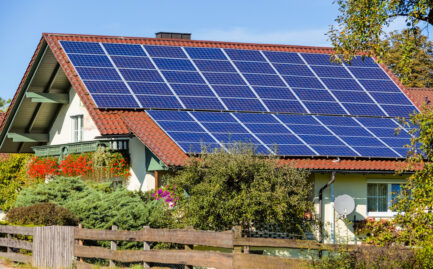
Before getting solar panels, check your monthly electricity usage to determine the right panel size for your home. Consider factors like household size, appliances used, and daily energy habits. Learn about incentives such as rebates and tax credits offered by governments and utility companies to reduce initial costs and make your investment more profitable.
You can pay for solar panels by buying them, leasing them, or signing a power purchase agreement. Each option has pros and cons, so choose based on your money situation and goals. To decide if solar panels are right for your home, check your energy needs, incentives, and financing options. Talk to our installers and do research for a smooth switch to solar energy.
FREE Consultation with Big Texan Solar
Monocrystalline panels are effective and attractive for homes. Polycrystalline panels are cheaper but less efficient. Thin-film panels are lightweight and flexible, ideal for areas with less sunlight. Bifacial panels get energy from both sides for extra power. They are suitable for areas with reflective surfaces like snow or sand.
To pick the right solar system size, calculate your daily energy use and consider any future increases. Consult a solar provider to confirm if your roof can accommodate the appropriate system for your energy requirements. They will consider factors like shading and panel orientation.
Anticipate any changes in your energy consumption habits or household dynamics. If you want to get new appliances or make your home bigger, your energy needs will change. Think about electric car charging if you might buy one later. Make a timeline of possible changes to prepare for the future. By thinking ahead about how your energy use might grow, you can make sure your solar panels still work well. Planning for what’s coming helps your solar panel investment last.
Before you put up solar panels, think about if you want to cut down or get rid of your electricity bill. Also, consider your plans for using clean energy. Having clear goals will make it easier to pick the right solar panel system for you. Your objectives will affect things like system size and design.
Homeowners should check if their roofs can support solar panels. Shading issues can significantly impact solar panel performance. Evaluating the structural integrity of the roof is vital for proper panel mounting.
For best results, position solar panels to face the sun directly. Determining the ideal tilt angle based on location is key. Seasonal adjustments are necessary for optimal energy production.
To figure out the total cost, consider solar panels, inverters, and installation fees. Consider options like solar loans or leases to lower costs. Review the return on investment for future financial gains.
Learn how solar panels can save you money by boosting your property’s value and giving you a good return on investment, especially when selling a home with solar panels.
Determine the time needed to reach the break-even point after installation costs. Energy savings and incentives can shorten this period significantly. Consider how future energy price increases may impact your break-even point.
When you want solar power, you can pay with cash or get a solar loan. Paying cash means no interest and owning the system right away. Solar loans have interest rates between 3% and 8%. Your choice depends on your money situation. Cash costs more upfront but saves money later. Loans give immediate savings on electricity bills.
Leasing solar panels is a good option if you can’t pay a lot upfront. The leasing company covers maintenance and upfront costs. Make sure to check the lease terms, such as payment amounts, length, maintenance, and buying options. Compare providers to find the best deal for you.
It’s smart to check out incentives and rebates before getting solar panels. Federal tax credits, state perks, and utility rebates can help cut costs at the start. Make sure you meet the rules to get these benefits. The requirements might change depending on your income, property, and system size. Homeowners can save money by using incentives when installing solar panels, which makes it cheaper and more financially rewarding in the long run.
Before installing solar panels at home, research local regulations. Zoning laws decide where you can put the panels. Follow building codes and safety standards for an easy installation.
Before installing solar panels, check your HOA rules. Getting their approval is important to prevent problems. It’s vital to understand any aesthetic restrictions set by the HOA regarding solar panels.
It’s important to know how to connect your solar system to the grid. Following utility interconnection requirements is key to a smooth connection. Coordinate with your utility company to obtain approval for grid connection.
Anticipate seasonal variations in solar energy production to optimize panel efficiency. Adjust energy usage patterns based on seasonal changes to maximize benefits. Monitor energy generation regularly to ensure optimal solar panel performance throughout the year.
Analyze shading to find things blocking sunlight on solar panels. Trim or remove trees to let more sunlight in. Place solar panels smartly to make sure shading doesn’t reduce energy production.
Find out the best time for sunlight in your area to make the most energy from solar panels. Measure how much sun your panels get each day to see how well they work. Consider peak sun hours when planning the size of your solar system for maximum output.
When installing solar panels, make sure the installers are certified. Choose professionals with the right qualifications for a good installation job. Hiring experienced installers guarantees high-quality work. Certified professionals follow standards to prevent problems during and after installation. By selecting qualified experts, homeowners can be confident in the reliability of their solar panel system.
Reviewing installation process warranty coverage is essential before choosing a solar panel brand. Understand the terms covering equipment, performance, and labor to secure long-term protection. Comparing warranty options from different brands is important to make a smart choice. It helps protect solar panels from unexpected issues and gives homeowners peace of mind.
Researching customer feedback provides valuable insights into the installation process reputation of solar companies. Testimonials and ratings offer firsthand experiences shared by previous customers. Evaluating reviews helps in assessing the reliability and service quality of different installation providers.
Customer reviews offer real-life perspectives on the service quality provided by solar companies. Positive reviews indicate satisfied customers, reflecting reliable installation services. Considering customer experiences aids in selecting a reputable and trustworthy solar provider.
Before getting solar panels, consider where your home is, how much sunlight it gets, its roof size, and your energy usage. Research, get quotes from solar companies, and explore financing options to make a wise decision. By considering these factors and planning well, you can get the most out of solar power while avoiding problems. Reach out to Big Texan Solar for more info on what to think about before going solar and how we can assist with your switch to clean energy for your home.