

Call Us Now
Call Us Now

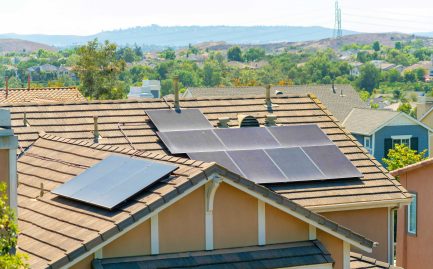
Solar energy remains a practical option for Texas homeowners in 2026. Most residential systems cost $15,000 to $38,000 before incentives and typically reach payback within 8–13 years. Efficient monocrystalline panels handle Texas heat well, while property tax exemptions and local solar buyback programs can help increase long-term savings.
Texas receives more sunlight than most states, making it one of the best locations in the country for residential solar energy.
At the same time, electricity prices have increased in many areas, and recent extreme weather events have highlighted the importance of reliable power. Because of this, many homeowners are installing solar panels to reduce energy costs and increase energy independence.
Texas also has a deregulated electricity market, which allows homeowners in many areas to choose their electricity provider. This creates opportunities to select solar-friendly energy plans that offer solar buyback programs.
Big Texan Solar has helped homeowners across Texas design and install systems that meet their energy needs while complying with local regulations.
Most homes in Texas require a 10–14 kilowatt (kW) solar system to offset their electricity usage.
The exact system size depends on several factors, including household energy use, roof space, and local sunlight conditions.
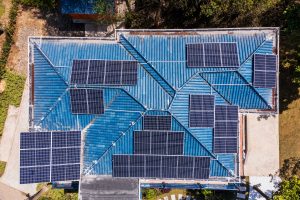
Texas receives approximately 4.5–5.5 peak sun hours per day, which allows properly designed systems to generate strong energy output throughout the year.
If a homeowner plans to add an electric vehicle, the system may need 5–8 additional panels to support the extra energy demand.
Solar panel costs vary depending on system size, equipment quality, and installation conditions.
Typical price ranges include:
These estimates reflect installed system prices before incentives or financing options. Professional solar installers typically provide detailed quotes that include equipment, labor, permits, and monitoring services.
Several elements influence the final cost of a solar installation.
Homes with complex roof designs or older electrical panels may require additional work before installation.
Even though the federal residential tax credit has ended, Texas homeowners can still access several financial benefits.
 Texas allows homeowners to install solar panels without increasing their property tax assessment. Since solar systems often add $15,000–$20,000 in home value, this exemption can save hundreds of dollars per year.
Homeowners must file for the exemption with their local appraisal district after installation.
Some Texas utilities offer solar incentives.
Examples include:
Programs may change, so homeowners should confirm eligibility before installation.
Solar leases and power purchase agreements allow homeowners to install solar panels with little or no upfront cost. In these arrangements, a third-party company owns the system and may claim federal commercial solar incentives, which can help reduce the homeowner’s monthly energy costs.
Net metering allows homeowners to receive credit for extra electricity their solar panels send to the grid. Texas does not have a statewide net metering rule, so policies vary depending on the electricity provider.
Before installing solar panels, homeowners should review their utility’s solar export policy to understand how excess electricity will be credited.
Electricity providers may offer different compensation structures for solar energy exports.
Common options include:
Battery storage can help homeowners use more of their solar energy instead of sending it to the grid.
Solar batteries store excess electricity generated during the day so it can be used later. This is especially valuable during power outages or when electricity prices are higher.
Residential battery systems typically cost $10,000–$15,000 per unit installed. Most batteries include 10-year warranties and may last 12–15 years depending on usage.
Although batteries increase installation cost, they provide valuable backup power and energy control.
Most modern solar panels last 25–30 years while continuing to produce electricity. Over time, solar panels slowly lose efficiency, usually at a rate of about 0.5% per year.
This means a system that produces 10,000 kWh in its first year may still produce about 8,700–9,000 kWh after 25 years.
Solar panels require minimal maintenance.
Typical maintenance tasks include:
Rainfall helps clean panels naturally, but dust and pollen may occasionally require professional cleaning.
Most cities and counties in Texas require permits and inspections for solar installations.
Typical requirements include:
Texas law also prevents homeowners’ associations from banning solar panels, although they may set reasonable design guidelines.
Studies show solar panels can increase home value by $15,000–$20,000 on average. Because Texas offers a property tax exemption for solar installations, homeowners benefit from the increased value without higher property taxes.
Homes with owned solar systems generally attract more buyer interest than homes with leased systems.
Before installing solar panels, homeowners should review several important factors.
Getting multiple quotes from qualified installers can help homeowners compare pricing and system design options.
Solar panels remain a strong long-term investment for many Texas homeowners in 2026. The state’s high solar potential, property tax benefits, and flexible electricity market continue to support residential solar adoption.
A well-designed system can reduce electricity costs, increase home value, and provide greater control over household energy use. Big Texan Solar handles every stage of the process — from site assessment and permit management to installation, interconnection, and long-term monitoring.
Contact us today to get a clear, honest picture of what solar can do for your specific property and energy goals.
Texas homeowners typically save $1,200–$2,400 per year, depending on system size, electricity rates, and utility buyback policies.
Standard solar systems shut down during outages for safety. Systems with battery storage can provide backup power.
No. The 30% residential solar tax credit expired on December 31, 2025.
Most modern solar panels are tested to withstand 1-inch hail at high speeds. Severe hail damage is typically covered by homeowners’ insurance.
No. Solar electrical work must be completed by a licensed electrician under Texas law.
Insurance premiums may increase by $50–$150 per year to account for the added property value.
Solar panels can offset the electricity used by air conditioning systems, but most homes still rely on the grid or batteries during peak usage periods.