

Call Us Now
Call Us Now

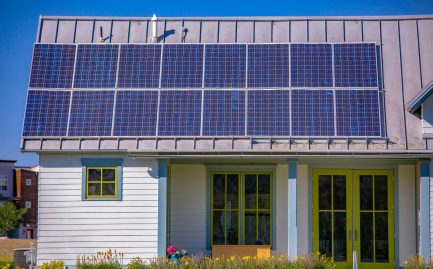
In 2026, a typical Texas home usually needs 16 to 27 solar panels (around 400W–450W each) to meet its electricity usage, equal to a 6 kW to 10 kW system. Homes that use about 1,250 kWh per month generally require a 7.5 kW system, or roughly 20–22 panels, to cover most of their energy needs.
Texas homeowners face some of the highest electricity bills in the nation, with summer cooling costs pushing monthly electricity bills higher. The Lone Star State’s abundant sunshine makes solar energy an attractive solution, but choosing the right system size takes careful planning.
Understanding panel requirements involves more than simple math. Energy use patterns, roof characteristics, local weather conditions, and efficiency goals all play crucial roles in sizing a solar setup correctly. Getting this calculation right means maximizing return on investment while ensuring adequate power generation year-round.
This guide breaks down everything homeowners need to know about determining solar panel requirements for Texas properties. From calculation methods to practical considerations, readers will gain the insights needed to make informed decisions about their solar investment.
Texas ranks among the top states for electricity consumption, making accurate solar sizing especially important. Installing too few panels leaves homeowners dependent on grid power; installing too many means overspending on equipment that generates more power than the home can use.
Getting the number right is the foundation of a cost-effective solar investment.
Several key variables influence how many panels a property needs. Energy consumption stands as the primary factor, with Texas homes averaging 1,176 kWh monthly according to the U.S. Energy Information Administration.
Panel wattage directly affects how many units are needed. Modern panels range from 350 to 450 watts, with higher-wattage units reducing the total count required. A 400-watt panel typically produces 50–60 kWh monthly in Texas, accounting for seasonal variations and weather conditions.
Geographic location within Texas matters considerably. Houston’s humidity and cloud cover differ from the intense sun exposure in El Paso or the moderate conditions in Dallas. These regional differences can alter system sizing by 10–15%.
Roof characteristics play an equally important role. South-facing roofs with a 30-degree slope offer the best output, while east or west orientations may require additional panels to make up for reduced efficiency.
 Start by reviewing 12 months of electricity bills to establish baseline usage patterns. This reveals seasonal fluctuations and helps identify peak usage periods that the solar system must accommodate.
Summer months in Texas can see consumption spike 40–60% above winter levels due to air conditioning demands. Accurate calculations must account for these variations rather than relying on annual averages alone.
Breaking down consumption by major appliances provides additional insights. HVAC systems, water heaters, pool pumps, and electric vehicles significantly impact total requirements. Energy audits can identify specific usage patterns and opportunities for efficiency improvements before sizing a solar setup.
Smart home monitoring systems offer real-time consumption data, enabling precise calculations. These tools track usage patterns throughout the day, revealing when energy demands peak and helping optimize system design for specific household needs.
Custom calculations based on actual consumption always produce more accurate results than general estimates. The table below provides a reliable starting point.
| Home Size | System Size | Avg. Monthly Use | Panels Needed | Summer Peak |
|---|---|---|---|---|
| Under 1,500 sq ft | 6–8 kW | 800–1,000 kWh | 15–20 panels | Up to 1,400 kWh |
| 1,500–2,500 sq ft | 8–10 kW | 1,000–1,300 kWh | 20–25 panels | Up to 1,800 kWh |
| Over 2,500 sq ft | 10–14 kW+ | 1,500–2,000+ kWh | 25–35 panels | 2,000+ kWh |
Professional assessments account for specific property characteristics, future consumption changes, and efficiency upgrades that standard formulas cannot capture.
Each standard solar panel occupies approximately 18–20 square feet of roof space. A typical 25-panel system requires 450–500 square feet of suitable mounting area, not accounting for spacing, required setbacks, and obstructions.
Roof pitch and orientation affect both how many panels a property can support and how efficiently they produce power. Steep roofs may limit installation options, while flat roofs offer flexibility but may require additional mounting hardware.
Obstructions like chimneys, vents, skylights, and nearby trees reduce usable space and create shading issues. Even partial shading on a single panel can reduce the output of the entire panel group by 20–30%, making careful placement essential.
Multiple roof sections can actually benefit solar installations by allowing panels that capture both morning and afternoon sun. This approach spreads power generation throughout the day rather than concentrating it during midday peak hours.
Installation costs in Texas average $2.50–$3.50 per watt before incentives. A typical 8-kilowatt (kW) system runs $20,000–$28,000, while larger 10 kW installations range from $25,000–$35,000, depending on equipment quality and installation complexity.
The Federal Investment Tax Credit currently offers 30% back on total system costs through 2032 (stepping down to 26% in 2033), significantly reducing upfront expenses. This incentive applies to both equipment and installation.
Texas offers additional property tax exemptions for solar installations, preventing increased home values from raising property tax bills. While the state lacks a general solar rebate program, many utilities provide buyback programs for excess energy production.
Net metering—a billing arrangement where your utility credits you for surplus solar power sent back to the grid—varies by utility provider across Texas. Some offer one-to-one credit for excess generation, while others pay wholesale rates. Understanding your local utility’s policy helps determine the optimal system size for your home.
 Design and permitting typically require 4–8 weeks, depending on local requirements and utility approval processes. Complex roof configurations or historic district approvals may add several more weeks.
The physical installation typically takes 1–3 days for residential systems. Crews mount the racking hardware, install panels, complete electrical connections, and set up monitoring systems. Weather delays can occasionally extend this window, particularly during the Texas summer storm season.
Utility approval and final inspections add another 2–4 weeks after installation is complete. Properties cannot begin generating solar power until utilities approve the system connection and local authorities issue final permits.
Total project timelines from contract signing to system activation average 2–3 months. Planning solar installations during moderate weather months like fall or spring can help avoid extreme heat and summer storm complications.
Determining solar panel requirements for Texas homes involves analyzing energy consumption, roof characteristics, and specific property conditions. Most residential installations require 20–30 panels, but individual needs vary based on lifestyle, home size, and efficiency measures.
Professional assessments provide accurate sizing recommendations that account for factors homeowners might overlook—including future consumption changes, potential efficiency upgrades, and the best system layout for a specific property.
Solar investments offer substantial long-term savings for Texas homeowners while contributing to cleaner energy production. With proper sizing and quality installation, systems typically pay for themselves within 6–10 years while providing 25 or more years of reliable service.
Ready to find out exactly how many panels your Texas home needs? Contact us today and our Big Texan Solar team for a free property assessment.
Expanding a system is possible but requires confirming the inverter (the device that converts solar power into usable electricity) has adequate capacity, and that roof space is still available. Expanding systems typically cost more per watt than the original installation due to additional permitting and connection fees. Planning for future needs during initial design is the more cost-effective approach.
Solar systems connected to the power grid shut down during outages for safety reasons, preventing electricity from flowing back into the utility lines while workers may be making repairs. Battery backup systems allow continued operation during outages but add $12,000–$20,000 to installation costs, depending on the number of units needed. Homeowners prioritizing backup power should plan for battery integration from the start.
Quality solar panels lose approximately 0.5% of their output annually, maintaining 85–90% efficiency after 25 years. This gradual decline is factored into sizing calculations, ensuring systems meet energy needs throughout their lifespan. Premium panels often include performance warranties guaranteeing minimum output levels.
Solar panels need minimal upkeep beyond occasional cleaning to remove dust, pollen, and debris. Texas rainfall typically provides adequate rinsing, though quarterly inspections help identify potential issues early. Annual professional inspections ensure peak performance and catch developing problems before they impact output.
Electric vehicles add 300–500 kWh monthly to household consumption, depending on driving habits. This typically requires 5–8 additional panels beyond standard home requirements. Homeowners planning future EV purchases should size systems accordingly or confirm roof space allows later expansion.
Studies show solar installations increase property values by approximately 4% on average. Texas buyers value solar systems, particularly in areas with high electricity costs. Owned systems add more value than leased equipment, with newer installations commanding the highest premiums.
Equipment warranties typically include 25-year panel performance guarantees, 10–15-year coverage on the inverter, and 10-year workmanship warranties. Extended warranties are available at an additional cost. Reputable installers stand behind their work and assist with warranty claims if issues arise.
Payback periods average 6–10 years, depending on system size, electricity rates, and incentive utilization. Homes with high consumption and favorable utility rates see faster returns. Rising electricity costs accelerate payback timelines over the life of the system.