

Call Us Now
Call Us Now

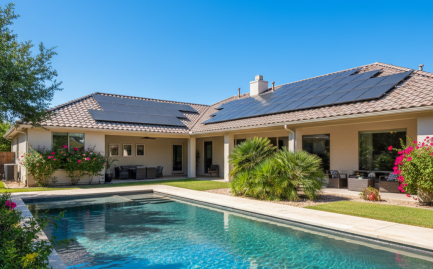
Improving a pool heating system is not only about comfort but also efficiency, savings, and sustainability. Newer technologies like solar pool heaters are more efficient, while older systems often increase energy costs and deliver inconsistent results. If the current system isn’t performing well, it’s likely time for a replacement.
This signals when to switch to a solar pool heater, which provides steady warmth, longer swim seasons, and lower energy expenses. Big Texan Solar is ready to assist with this smart choice.
Solar hot water systems provide efficiency, reliability, and cost savings over traditional gas or electric systems. They capture free, renewable sunlight to heat water with no ongoing energy expense. Property owners wanting to reduce their impact on the environment should also enhance the value of their home; solar is an astute option.
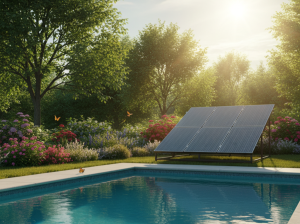 Solar pool heating lowers your carbon footprint because it uses sunlight instead of electricity or gas, which is cleaner. In sunny places like Texas, it works even better with plenty of sun and less fuel needed.
Old gas and electric pool heaters can cost $100–$200 monthly. Solar systems cut that to zero, need little upkeep, last 20–30 years, and often pay for themselves in 3–5 years. Rising energy bills are a clear sign it’s time to switch.
Solar systems raise water temperatures 10–15°F, keeping pools in the 80s for more swim days, even in cooler months. They extend the season without high energy costs—an effective solution for outdated systems that struggle to stay warm.
Solar panel installation reduces fossil fuel reliance, reduces emissions, and increases energy independence. For the average individual, this functional and ethical shift is a clear indication that it’s time to go solar to heat pools.
Recognizing performance decline early can save money and frustration down the road. Below are common warning signs that it might be time to switch to a solar heating system.
A clear sign that something is wrong. Older gas or electric systems become less efficient with age, drawing more power to do the same job. If usage hasn’t changed but the utility bill has, that’s a red flag.
Mechanical components wear out. If the heater is constantly malfunctioning, it’s not just inconvenient. It costs money. Solar systems have fewer parts moving and less maintenance.
Aging systems often struggle to keep temperatures stable, leading to unpredictable swimming conditions. Solar systems provide a steady, gradual heat that maintains consistent comfort.
Older systems lack the efficiency of modern solar options. Today’s systems heat water faster, retain warmth longer, and integrate better with energy-efficient tools. Clinging to an old unit could mean higher costs and less comfort.
Modern solar systems pair with home automation tools, offering scheduling and remote control. If your system can’t sync with smart devices or energy management systems, it’s behind the times.
Solar pool heating has improved a lot. New panels heat pools faster and use energy better. Smart controls save power and let you control the system from your phone. These systems last a long time and work well with home solar setups to save even more energy.
In order to maximize the benefit of your system, some consideration needs to be given. These three main points help tailor the system to your area and environment.
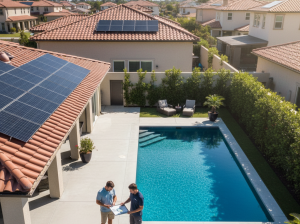 The pool surface area will also dictate how much solar collector area is required. 50% of the pool surface area in solar panels can be used for tropical climates, but 100% may be required in colder climates.
South-facing roofs that are not much shaded offer an optimal setup. Asphalt or metal solar materials are suitable, but tile roofs can be assisted with specialized mounting systems.
Sunny regions benefit the most. In areas with cloud cover or short winter days, additional heating support may be needed.
Most installations require local permits, and zoning laws may affect placement. A professional installer can help navigate these rules smoothly.
Many areas require permits for solar installations, with rules that vary across locations. Experienced installers usually understand local zoning and placement restrictions.
Choosing the right size system matters. Collectors should be 50% to 100% of your pool’s surface. Warm climates need less; cooler ones need more. For example, a 400 sq. ft. pool needs 200–400 sq. ft. of collectors. A pool cover helps retain heat and improves efficiency.
Quick guide:
Glazed collectors are ideal for colder areas and cost more. Unglazed systems work best in warmer climates and have lower upfront costs.
While solar heating systems require $2,500–$6,500 to install, they recoup their cost in 1.5–7 years and save on the bill. Rebates and tax credits can also reduce the initial cost.
Seeking opinions from professionals and product reviews guarantees you’re putting your money in a system that’s reliable and appropriate for your home’s specific needs.
Solar saves you money, repairs, and maintenance; is green; and allows you to utilize your pool more. With today’s established technology, it’s easier and better than ever to go solar.
Ready to make your pool warmer and your energy bills lower? Contact us for expert advice, quality systems, and smooth installation. Reach out today, and let’s bring more comfort and sunshine to your pool season!