

Call Us Now
Call Us Now


Texas solar incentives include the 30% federal solar tax credit through 2032, a 100% property tax exemption on the value added by solar panels, and utility-specific rebates or solar buyback programs. These incentives can significantly reduce your installation cost and improve your long-term energy savings.
If you’re considering installing solar panels in Texas, understanding the available incentives can help you maximize your return on investment. Programs such as the federal tax credit, local utility rebates, and solar buyback plans make switching to solar more affordable than many homeowners realize.
Thinking about going solar? Our team at Big Texan Solar can help you evaluate available incentives, estimate your potential savings, and design a solar system tailored to your property.
Solar energy adoption continues to grow across Texas, thanks to the state’s strong sunlight and the financial incentives that make solar systems more accessible. However, many property owners miss out on potential savings simply because they are unaware of which programs apply to them.
The Solar Investment Tax Credit (ITC) is the most significant financial incentive available for solar installations in Texas. This federal program allows you to deduct 30% of your solar installation costs from your federal income taxes. Eligible expenses typically include solar panels, inverters, mounting equipment, electrical components, batteries, and installation labor.
The 30% credit applies to systems installed between 2022 and 2032 under the Inflation Reduction Act.
| Year | Federal Solar Tax Credit |
|---|---|
| 2022–2032 | 30% |
| 2033 | 26% |
| 2034 | 22% |
To qualify, you must own the solar system rather than lease it, and the equipment must be installed at a residence you own in the United States. If the tax credit exceeds your tax liability in a given year, the remaining credit can carry forward to future tax years.
 Texas does not currently offer a statewide solar rebate or tax credit. However, the state provides a valuable property tax exemption for renewable energy systems.
When you install solar panels, your home value may increase. Normally, this would raise your property taxes, but Texas law allows homeowners to exclude the value added by solar panels from property tax calculations.
This exemption applies to both residential and commercial properties, and it typically lasts for the life of the solar system. In most cases, you simply submit an application to your county appraisal district, and many solar installers help handle this process.
Some utilities in Texas offer solar rebates or production incentives, although programs vary depending on your location.
Utilities such as Austin Energy and AEP Texas have offered rebate programs in the past, while several retail electricity providers offer solar buyback plans that credit customers for excess power sent to the grid.
Examples of providers offering solar buyback plans include companies such as Chariot Energy, Gexa Energy, and Reliant Energy. These plans allow you to receive credits on your electricity bill when your solar system produces more power than your home consumes.
Because many rebate programs operate with limited funding and may change annually, it is important to verify the current incentives available in your area before installation.
Texas does not require utilities to provide traditional net metering, so solar compensation policies vary by provider.
Instead, many electricity providers offer solar buyback programs, which compensate you for the excess electricity your system exports to the grid. Depending on the plan, you may receive credits close to the retail electricity rate or a lower wholesale rate.
In deregulated electricity markets, you may also have the option to choose a retail provider with a solar-friendly buyback plan.
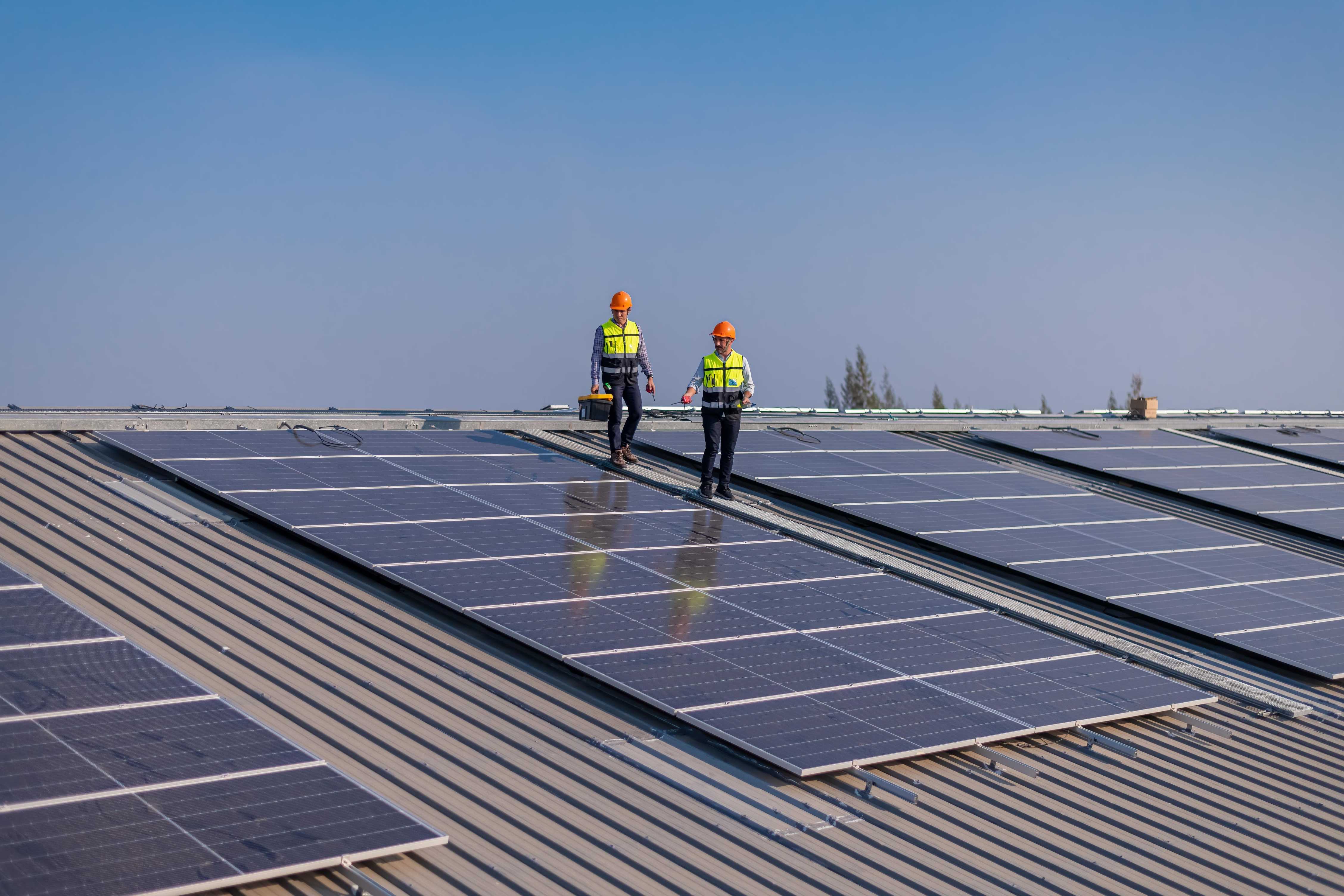 Businesses installing solar systems in Texas can access additional tax advantages beyond the federal tax credit.
Commercial solar installations qualify for the Modified Accelerated Cost Recovery System (MACRS), allowing businesses to depreciate the solar equipment over five years. This accelerated depreciation can significantly reduce taxable income and improve the financial return on a commercial solar investment.
Many businesses may also qualify for bonus depreciation, allowing a larger portion of the system cost to be deducted earlier.
Your financing method affects which incentives you can claim. If you purchase your solar system outright or use a solar loan, you retain ownership and can claim the federal tax credit along with other incentives. Solar loans allow you to spread the installation cost over time while still benefiting from tax savings.
With solar leases or power purchase agreements (PPAs), a third-party company owns the system and typically receives the tax incentives instead.
Texas law protects your right to install solar panels even if you live in a neighborhood governed by a homeowners’ association.
Under Texas Property Code Section 202.010, HOAs generally cannot prohibit solar installations, although they may enforce reasonable guidelines regarding panel placement or visibility.
These restrictions cannot significantly increase installation costs or reduce system efficiency, ensuring homeowners still have practical access to solar energy.
Although Texas does not offer statewide solar rebates, homeowners and businesses can still benefit from several valuable incentives.
The 30% federal solar tax credit, Texas property tax exemptions, and utility rebate or buyback programs can significantly lower your installation cost and improve your long-term energy savings.
If you want to understand how these incentives apply to your property, our team at Big Texan Solar can help you evaluate your options and design a solar system that maximizes your savings.
Contact us today to schedule a solar consultation and see how much you could save with solar energy in Texas.
Renters generally cannot claim the federal solar tax credit because the incentive is only available to property owners who purchase and install the solar system.
You receive the federal solar tax credit when you file your tax return for the year your solar system becomes operational.
Yes, battery storage systems can qualify for the federal tax credit when installed with solar or as a standalone energy storage system under current federal rules.
The federal tax credit stays with the original homeowner who claimed it, but the solar system itself can increase your home’s resale value.
There are no income limits for the federal solar tax credit, although you must have sufficient federal tax liability to use the credit.
The federal solar tax credit is scheduled to remain at 30% through 2032 before gradually decreasing unless Congress extends the program.
Yes, you can typically combine the federal tax credit with property tax exemptions, local utility incentives, and solar buyback programs.
You can verify current incentives through your utility provider, the DSIRE incentive database, or a qualified solar installer.