

Call Us Now
Call Us Now

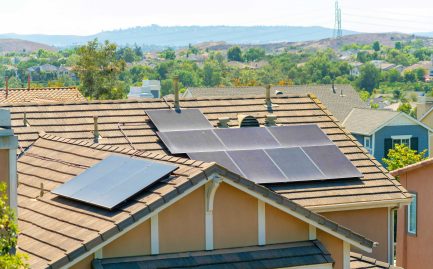
Solar energy remains a practical option for Texas homeowners in 2026. Most residential systems cost $15,000 to $38,000 before incentives and typically reach payback within 8–13 years. Efficient monocrystalline panels handle Texas heat well, while property tax exemptions and local solar buyback programs can help increase long-term savings.
Texas receives more sunlight than most states, making it one of the best locations in the country for residential solar energy.
At the same time, electricity prices have increased in many areas, and recent extreme weather events have highlighted the importance of reliable power. Because of this, many homeowners are installing solar panels to reduce energy costs and increase energy independence.
Texas also has a deregulated electricity market, which allows homeowners in many areas to choose their electricity provider. This creates opportunities to select solar-friendly energy plans that offer solar buyback programs.
Big Texan Solar has helped homeowners across Texas design and install systems that meet their energy needs while complying with local regulations.
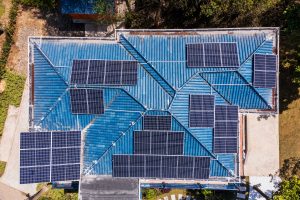 Most homes in Texas require a 10–14 kilowatt (kW) solar system to offset their electricity usage. The exact size depends on household energy use, roof direction and shading, insulation quality, and major loads like electric vehicles or pool pumps. Texas receives approximately 4.5–5.5 peak sun hours per day, which allows properly designed systems to generate strong output year-round.
For the full sizing math — including panel-count examples by home size and how an EV changes the equation — see our guide on how many solar panels a Texas home needs in 2026.
Installed prices in 2026 typically run from about $11,000 for a small 5 kW system to $39,700 for a large 14 kW system before incentives, with equipment quality, roof complexity, and any electrical panel upgrades driving the final number. Panel brand and efficiency rating, inverter type, and roof-mounted versus ground-mounted designs all move the price as well.
Our detailed breakdown of how much solar panels cost in Texas in 2026 covers per-watt pricing, costs by system size, and what a professional quote should include.
 Even though the federal residential tax credit has ended, Texas homeowners can still access several financial benefits. The state’s 100% property tax exemption means solar panels add home value without raising your tax assessment, utility programs like Austin Energy’s rebate offer local savings, and leases or PPAs let a third-party owner pass commercial-incentive savings through to your monthly bill.
For eligibility rules, filing steps, and a current list of utility programs, see our full roundup of solar incentives and tax credits available in Texas.
Net metering allows homeowners to receive credit for extra electricity their solar panels send to the grid. Texas has no statewide net metering rule, so compensation varies by provider — some credit at full retail rate, others at wholesale prices, and some offer nothing at all. Battery storage can help homeowners use more of their own solar energy instead of exporting it cheaply.
Before signing an electricity plan, read our complete guide to how net metering works in Texas to compare buyback structures and pick a solar-friendly provider.
Solar batteries store excess daytime electricity for use at night, during outages, or when grid prices spike — and they protect against low export compensation from utilities. Most residential systems run $10,000–$15,000 installed, carry 10-year warranties, and typically last 12–15 years.
For a full price breakdown, sizing guidance, and whether a battery pays off under your electricity plan, see our guide to solar battery storage costs in Texas.
Most modern solar panels last 25–30 years while continuing to produce electricity. Over time, solar panels slowly lose efficiency, usually at a rate of about 0.5% per year.
This means a system that produces 10,000 kWh in its first year may still produce about 8,700–9,000 kWh after 25 years.
Panel quality makes a real difference in degradation rates and warranty terms — our comparison of the best solar panel brands for Texas homes in 2026 shows which manufacturers hold up best in Texas heat.
Solar panels require minimal maintenance.
Typical maintenance tasks include:
Rainfall helps clean panels naturally, but dust and pollen may occasionally require professional cleaning. For cleaning schedules and inspection checklists, see our guide on how to maintain your solar panels for optimal performance.
Most cities and counties in Texas require permits and inspections for solar installations.
Typical requirements include:
Texas law also prevents homeowners’ associations from banning solar panels, although they may set reasonable design guidelines — our guide on whether HOAs can restrict solar panels in Texas explains your rights and how to handle the approval process. Permitting is also the main driver of project length; see how long it takes to install solar panels in Texas for a stage-by-stage timeline.
Studies show solar panels can increase home value by $15,000–$20,000 on average. Because Texas offers a property tax exemption for solar installations, homeowners benefit from the increased value without higher property taxes.
Homes with owned solar systems generally attract more buyer interest than homes with leased systems. To see how added home value, bill savings, and payback period combine into total return, read our complete cost-benefit analysis of whether solar panels are worth it in Texas.
Before installing solar panels, homeowners should review several important factors.
Getting multiple quotes from qualified installers can help homeowners compare pricing and system design options. Our guide on how to choose the best solar panel installer in Texas covers the certifications, warranty terms, and red flags to check before signing.
Solar panels remain a strong long-term investment for many Texas homeowners in 2026. The state’s high solar potential, property tax benefits, and flexible electricity market continue to support residential solar adoption.
A well-designed system can reduce electricity costs, increase home value, and provide greater control over household energy use. Big Texan Solar handles every stage of the process — from site assessment and permit management to installation, interconnection, and long-term monitoring.
Contact us today to get a clear, honest picture of what solar can do for your specific property and energy goals.
Texas homeowners typically save $1,200–$2,400 per year, depending on system size, electricity rates, and utility buyback policies.
Standard solar systems shut down during outages for safety. Systems with battery storage can provide backup power.
No. The 30% residential solar tax credit expired on December 31, 2025.
Most modern solar panels are tested to withstand 1-inch hail at high speeds. Severe hail damage is typically covered by homeowners’ insurance. Our guide on what happens to solar panels during a Texas hailstorm or hurricane covers impact ratings, insurance claims, and storm prep in detail.
No. Solar electrical work must be completed by a licensed electrician under Texas law.
Insurance premiums may increase by $50–$150 per year to account for the added property value.
Solar panels can offset the electricity used by air conditioning systems, but most homes still rely on the grid or batteries during peak usage periods.