

Call Us Now
Call Us Now


In 2026, solar panels in Texas typically cost about $1.90 to $2.50 per watt installed. A standard 7 kW residential system usually ranges from about $15,000 to $20,000 before incentives, while larger or premium systems can exceed $35,000. Although the federal residential solar tax credit ended after 2025, some homeowners may still benefit from local utility rebates and financing options that help reduce overall installation costs.
System size is the primary cost driver. Most residential properties require 6 to 8 kilowatts of capacity, though larger homes or those preparing for EV charging may need 10 kW or more — our guide on how many solar panels a Texas home needs walks through the sizing math.
Other key variables include:
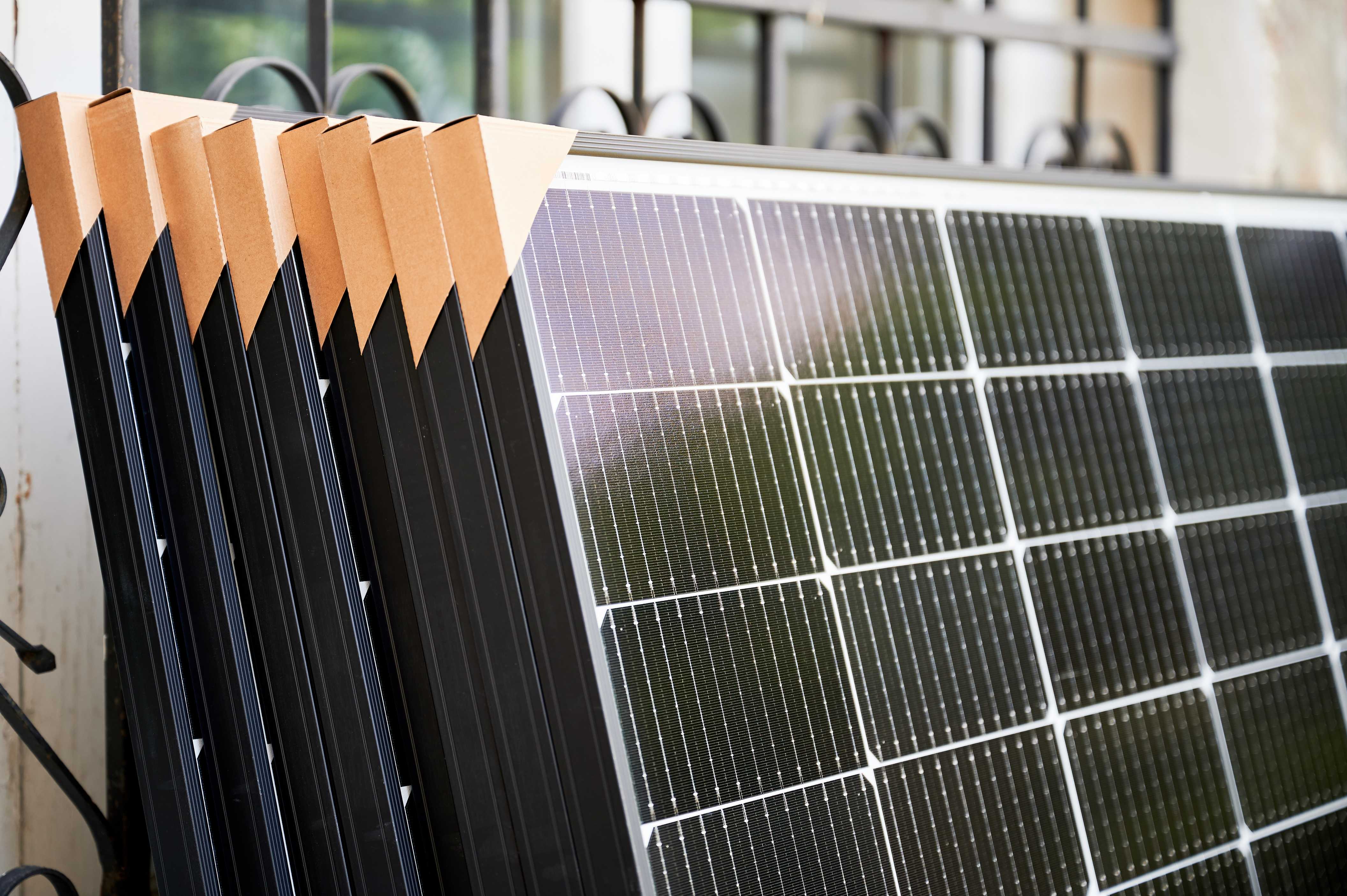
The federal 30% Investment Tax Credit (ITC) for homeowner-purchased residential solar systems expired on December 31, 2025. Homeowners who installed and owned their system before that deadline were the last to qualify.
That said, going solar in Texas in 2026 still comes with real financial advantages worth knowing:
Our team stays current on every available incentive in your area and will walk you through exactly what applies to your home before you commit to anything. For program-by-program details, see our full list of solar incentives and tax credits available in Texas.
Larger systems generally offer better per-watt pricing because fixed costs—permitting, inspection, and base installation labor—are spread across more panels.
| System Size | Cost Before Incentives | Estimated Cost With Local Incentives | Best For |
|---|---|---|---|
| 4–5 kW | $10,000–$13,500 | $7,500–$13,500 | Small homes (<700 kWh/mo) |
| 6–8 kW | $15,000–$20,000 | $12,000–$20,000 | Average homes (900–1,200 kWh/mo) |
| 10 kW+ | $25,000–$36,000 | $20,000–$36,000 | Large homes, EV charging, pools |
Local utility rebates may reduce installation costs depending on the homeowner’s utility provider. The federal residential solar tax credit (Section 25D) ended for most homeowner-purchased systems after December 31, 2025.
There’s no single right way to pay for solar. Here’s how the main options compare:
 Texas homeowners currently paying 12–15 cents per kWh typically see full cost recovery within 9–13 years, assuming average system production and stable electricity pricing.
Texas receives excellent solar exposure, particularly in western and southern regions, and annual production often slightly exceeds initial estimates. Texas retail electricity rates have increased approximately 3% annually over the past decade. Continued escalation improves solar economics by raising the value of every kilowatt-hour your system produces.
Annual maintenance costs are minimal: $150 to $300 for periodic cleaning and inspections, plus an inverter replacement after 10–15 years ($1,500 to $3,000). Overall, the financial case for going solar in Texas is strong and improving — our complete cost-benefit analysis of whether solar panels are worth it in Texas runs the full numbers on savings, payback, and home value.
Solar panel costs have reached unprecedented affordability. The average residential installation costs $15,000 to $28,000 and becomes more affordable through local utility rebates and financing incentives, even though the federal residential solar tax credit ended after 2025. Cost is just one piece of the decision — our complete homeowner’s guide to home solar panels in Texas covers sizing, incentives, batteries, and permits in one place. Abundant sunshine, rising electricity rates, and peak-level incentives make Texas one of the nation’s strongest solar markets.
Request quotes from at least three licensed contractors, verify installer credentials, and carefully evaluate equipment warranties before committing. Our team at Big Texan Solar provides transparent proposals, top-tier equipment, and local expertise across the state—so you can make a confident, informed decision. Contact us today to learn more.
Yes. Studies indicate solar installations increase Texas home values by approximately 3–4%, or $15,000 to $20,000 for median-priced properties. The state’s property tax exemption means homeowners enjoy higher resale values without corresponding tax increases.
Quality solar panels maintain 80–85% efficiency after 25 years despite intense Texas heat. Most manufacturers’ warranty performance is for 25 years, while panels often continue producing electricity for 30–35 years. Look for panels with temperature coefficients below -0.35% per degree Celsius for best performance in extreme heat.
DIY installation can reduce costs by 30–40%, but Texas requires licensed electricians for grid connections. Self-installation also voids most equipment warranties, eliminates workmanship guarantees, and may disqualify systems from utility incentive programs.
Monocrystalline panels cost 10–20% more than polycrystalline alternatives but offer 17–22% efficiency versus 15–17% for polycrystalline options. Higher efficiency means fewer panels needed for equivalent output, which can offset the price premium. Most Texas installers now primarily stock monocrystalline panels.
Standard grid-tied systems automatically shut down during outages for safety, preventing backfeed to utility lines. Homeowners wanting backup power need battery storage or a hybrid inverter with a secure power supply feature.
Quality panels are rated to withstand hail up to one inch at 50 mph, meeting Texas building codes. Damage from larger hail is typically covered under homeowners’ insurance. Impact-resistant panels add 5–10% to upfront costs but offer added protection in high-risk areas.
Several Texas utilities and nonprofit organizations offer solar assistance programs for qualifying households. GRID Alternatives and select utility initiatives provide reduced-cost or subsidized installations. Contact your utility provider to learn about community solar programs in your area.