How Long Does It Take to Install Solar Panels in Texas?
Installing solar panels in Texas usually takes 3–4 months from signing the contract to connecting your system to the grid. While the physical installation only takes 1–3 days, most of the time is spent on permitting, system design, and utility approvals.
Texas offers immense solar energy potential, but many homeowners and businesses hesitate because they’re unsure how long the installation will take. You might wonder how much time crews will spend on your property and when you can start seeing electricity savings. Understanding the full solar installation timeline helps you set realistic expectations and plan effectively.
This guide breaks down every phase of solar installation in Texas, explains what happens at each stage, identifies factors that can speed up or slow down the process, and shows how you can prepare your property for a smooth experience. It’s part of our complete homeowner’s guide to home solar panels in Texas.
Key Takeaways
- Physical installation of residential systems usually takes 1–3 days; commercial projects may require 1–2 weeks.
- The complete process from contract signing to system activation typically spans 1–3 months.
- Permitting and utility approval stages often take longer than the actual installation work.
- Roof condition, system size, and local authority requirements significantly affect timelines.
- Scheduling during peak season (spring and fall) may extend waiting periods by several weeks.
- Working with experienced Texas solar installers can help expedite permitting and approvals.
What Factors Determine Solar Panel Installation Speed?
Several key factors determine how quickly your solar panels can be installed:
- System size: A standard residential system with 20–30 panels usually takes 1–2 days. Larger systems with 40+ panels may require 2–3 days, while commercial installations can take one week or longer.
- Roof characteristics: Single-story homes with composition shingle roofs are installed faster. Multi-story buildings, tile or metal roofs, or complex architecture can extend timelines. Roof repairs or reinforcements may add 1–2 weeks.
- Weather conditions: Extreme heat, thunderstorms, or high winds can pause work. Peak installation seasons (spring and fall) may cause scheduling delays.
By understanding these factors, you can anticipate potential delays and better plan your solar installation.
How Long Does the Design and Permitting Phase Take?
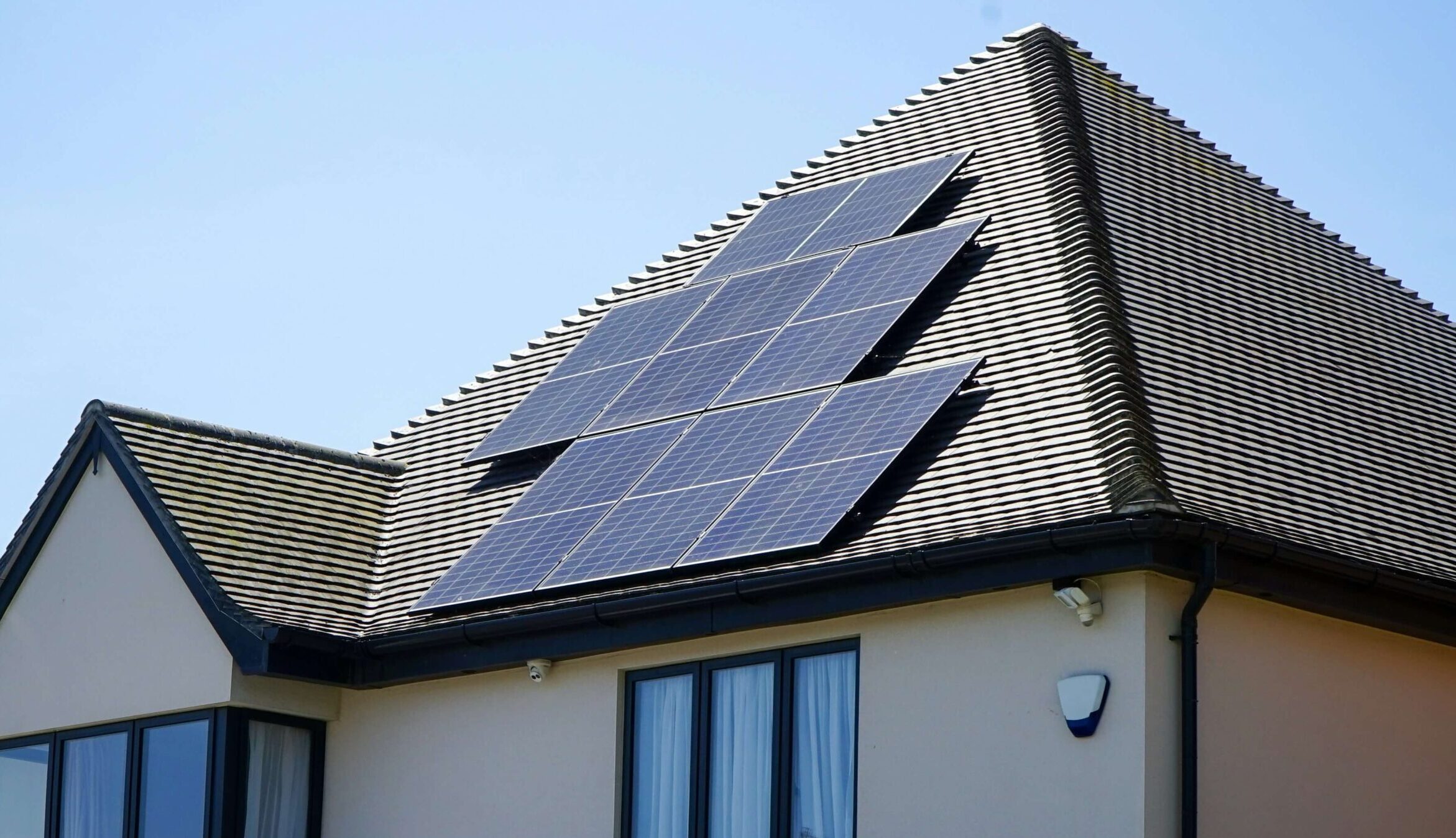 The design and permitting phase generally consumes 2–6 weeks:
- After signing your contract, solar engineers spend 3–7 days creating detailed system designs, assessing roof structures, electrical systems, and optimal panel placement.
- Permit acquisition varies by city. Large Texas cities like Austin and Houston often have streamlined processes taking 1–2 weeks. Smaller towns or counties may require 3–4 weeks or longer.
- HOA approvals can add 2–4 weeks, though properties without HOAs skip this step entirely.
Being proactive by preparing HOA documentation and gathering any required forms can help you move through this phase faster. Texas law limits what HOAs can demand — our guide on whether HOAs can restrict solar panels in Texas explains your rights and how to get approval quickly.
What Happens During the Actual Installation Days?
The physical installation typically follows this sequence:
- Day One: Crews prepare the roof, install mounting hardware, and ensure proper alignment and spacing. For many residential systems, panel placement begins today.
- Day Two: Technicians complete panel installation and start electrical work, including inverter installation and conduit setup. Larger systems may extend into a third day.
- Final Checks: Electricians verify all connections, test the system, and ensure grounding. The crew cleans the site and walks you through your new system—but activation occurs after inspections.
How Long Do Inspection and Utility Interconnection Take?
Post-installation approvals often take longer than the installation itself:
- Local building inspections: Typically scheduled 1–2 weeks after installation. Inspectors ensure the system meets codes and matches permitted plans. Minor corrections can extend this timeline.
- Utility interconnection (Permission to Operate, PTO): Utility companies verify your system is safe to connect to the grid. Processing times vary: some utilities take 1–2 weeks, others 3–4 weeks or more. Rural electric cooperatives may take longer due to less experience with solar systems.
Can You Speed Up the Installation Process?
 You can take several steps to minimize delays:
- Work with experienced Texas installers: Companies familiar with local permitting offices and utility procedures can navigate approvals efficiently — here’s how to choose the best solar panel installer in Texas.
- Prepare your property: Ensure roof access, clear pathways, and address any known roof issues before installation.
- Schedule off-peak: Winter months often have fewer installations, reducing wait times.
- Gather HOA documents: Submitting complete applications and professional renderings accelerates approvals.
Do Commercial Installations Take Longer?
Yes, commercial solar projects have longer timelines due to:
- System size and complexity: Installation can take 1–2 weeks for smaller businesses and several weeks for industrial-scale systems.
- Permitting: Commercial projects require more detailed engineering reviews and may need special permits, extending this phase to 6–12 weeks.
- Utility interconnection: Larger systems may need grid impact studies or equipment upgrades, potentially adding weeks or months.
Conclusion
Installing solar panels in Texas involves several distinct phases. While physical installation takes just 1–3 days for most residential systems, the full process from contract to activation spans 1–3 months. By choosing experienced installers, preparing your property in advance, and understanding the permitting and utility processes, you can reduce delays and transition smoothly to clean, cost-saving energy.
Contact us today to schedule a consultation. Our team at Big Texan Solar will help you navigate permits, design a custom system, and start saving on electricity as soon as possible.
Frequently Asked Questions
Can solar panels be installed in one day in Texas?
Small residential systems with simple roof configurations can sometimes be installed in a single day. Most residential installations, however, require 1–3 days to ensure proper mounting, electrical connections, and system testing.
What causes delays in solar panel installation timelines?
Delays often occur due to slow permit processing, HOA approvals, roof repairs, bad weather, utility interconnection backlogs, and peak season scheduling. Incomplete documentation can also extend timelines.
How long after installation before the solar system starts working?
Systems cannot be activated immediately. You must wait for both building inspection approval and utility permission to operate, usually taking 2–6 weeks combined.
Does Texas have special requirements that affect installation time?
Requirements vary across municipalities and utility territories. HOA approvals add an extra step not required in all states, potentially extending timelines by several weeks.
Are installation times different in rural vs. urban Texas areas?
Rural properties may experience longer inspection and interconnection timelines, but often avoid HOA approvals. Urban areas typically have faster permitting but may face longer installation crew wait times during peak seasons.
What time of year offers the fastest solar installation in Texas?
Winter months generally see fewer installations, shortening queues for crews and inspections. Late fall and early spring also offer favorable weather with moderate demand.
Can property owners do anything during waiting periods?
Yes. Use the time to research financing options, review your utility’s net metering policies, plan landscaping changes around panels, and learn about system monitoring.
How does installation time affect overall cost?
Extended timelines do not usually change equipment or labor costs. However, delays can postpone electricity savings. Some companies offer seasonal pricing, with promotions during the slower winter months.