

Call Us Now
Call Us Now

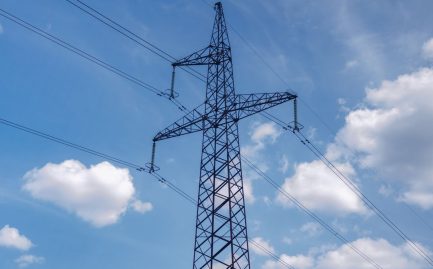
A virtual power plant (VPP) is a network of home batteries coordinated to support the Texas grid during high demand — and homeowners who enroll get paid for it. In 2026, Texas VPP programs typically compensate battery owners through monthly bill credits or per-event payments, often worth a few hundred dollars a year, while guaranteeing a reserve of stored power for your own backup needs.
Texas built more grid-scale batteries than any state except California — but the fastest-growing battery fleet in Texas isn’t in a utility yard. It’s in garages. Virtual power plants stitch thousands of home batteries into a single coordinated resource, and the companies running them are competing to pay homeowners for access.
If you have a battery, or you’re pricing one, here’s how to turn it from a pure expense into an earning asset.
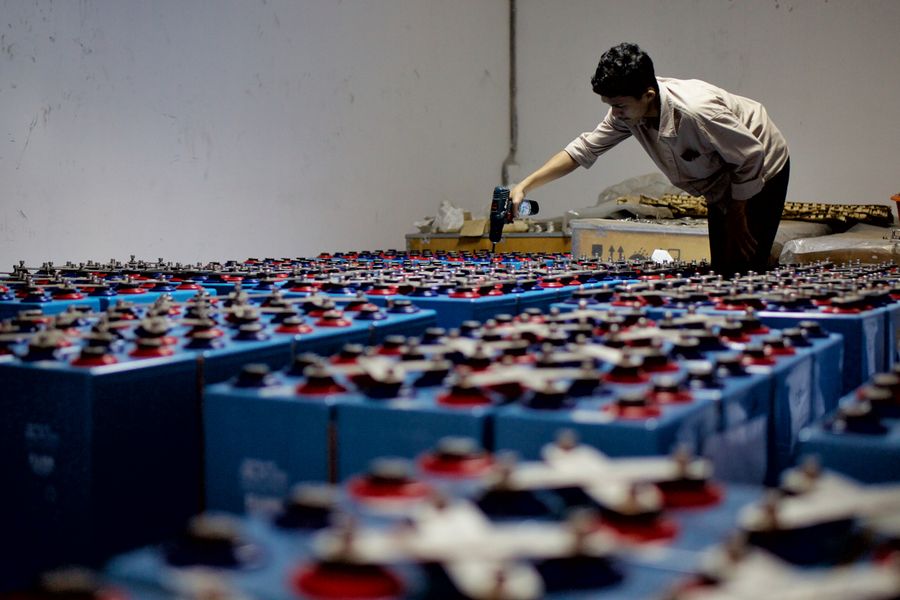 On a 103-degree August afternoon, ERCOT demand surges and wholesale prices spike. Instead of firing another gas peaker plant, a VPP operator sends a signal to thousands of enrolled home batteries, which discharge together for an hour or two. Individually, your battery contributes a few kilowatts. Collectively, the fleet behaves like a real power plant — hence the name.
You barely notice. The software honors your reserve setting (say, never dip below 30%), your solar refills the battery the next morning, and the credit shows up on your bill.
Program structures vary more than payouts do. The common models:
For most enrolled homeowners, total value lands in the few-hundred-dollars-a-year range — meaningful against a battery’s cost, and rising as ERCOT opens more market access for aggregated home resources.
 The two questions everyone asks:
Backup: No — reputable programs let you set a reserve floor the VPP cannot touch, and several pause dispatches entirely when severe weather is forecast. Your outage protection strategy (see whether solar powers your home during a Texas grid outage) stays intact.
Battery wear: Marginally more cycling, yes — but modern LFP batteries are warrantied for thousands of cycles, and VPP dispatches add a small fraction of that. Most warranties explicitly permit program participation; we confirm this before recommending any enrollment.
Think of it as the third leg of the battery value stool:
No single leg justifies a battery alone for every home, but together they’ve changed the math dramatically since the days when a battery was a pure luxury. The full decision framework lives in our complete homeowner’s guide to home solar panels in Texas.
Big Texan Solar designs solar-plus-storage systems with VPP eligibility in mind — battery brand, inverter compatibility, and interconnection terms — so the earning option is open from day one, not an afterthought.
Contact us today and we’ll walk you through the programs available at your address.
Most enrolled homeowners see a few hundred dollars a year in credits or payments, depending on program, battery size, and how many grid events occur. Hot summers pay better.
Most retail-provider programs allow exit at contract renewal; hardware-subsidy programs typically require a multi-year commitment. Read the term length before enrolling.
Reputable programs maintain your reserve setting and many suspend dispatches ahead of forecast severe weather. Confirm both policies in writing before enrolling.
No — battery-only enrollments exist and expanded in Texas in early 2026. But pairing solar with the battery multiplies the value, since the sun refills what the grid borrows.
Not with matched equipment and approved programs — most manufacturers explicitly support participation. Mismatched third-party control is where warranty risk appears, which is why program-battery pairing matters.
No. Buyback plans credit whatever you happen to export; a VPP actively coordinates your battery’s discharge for grid needs and pays for that availability. Many homeowners do both.